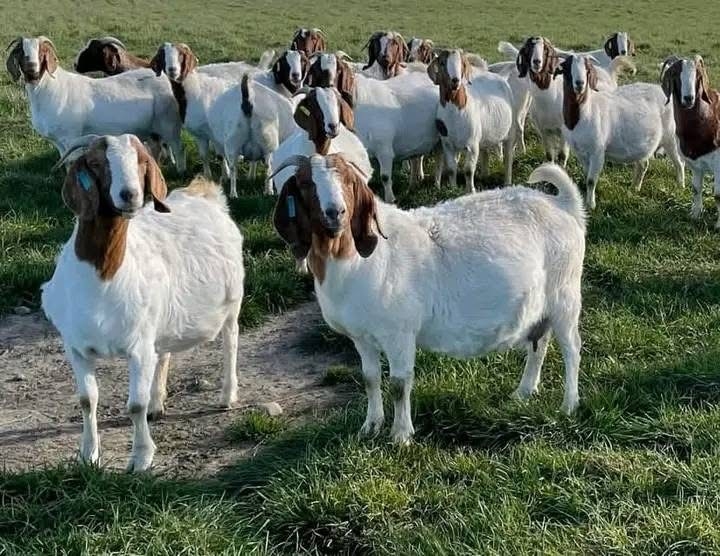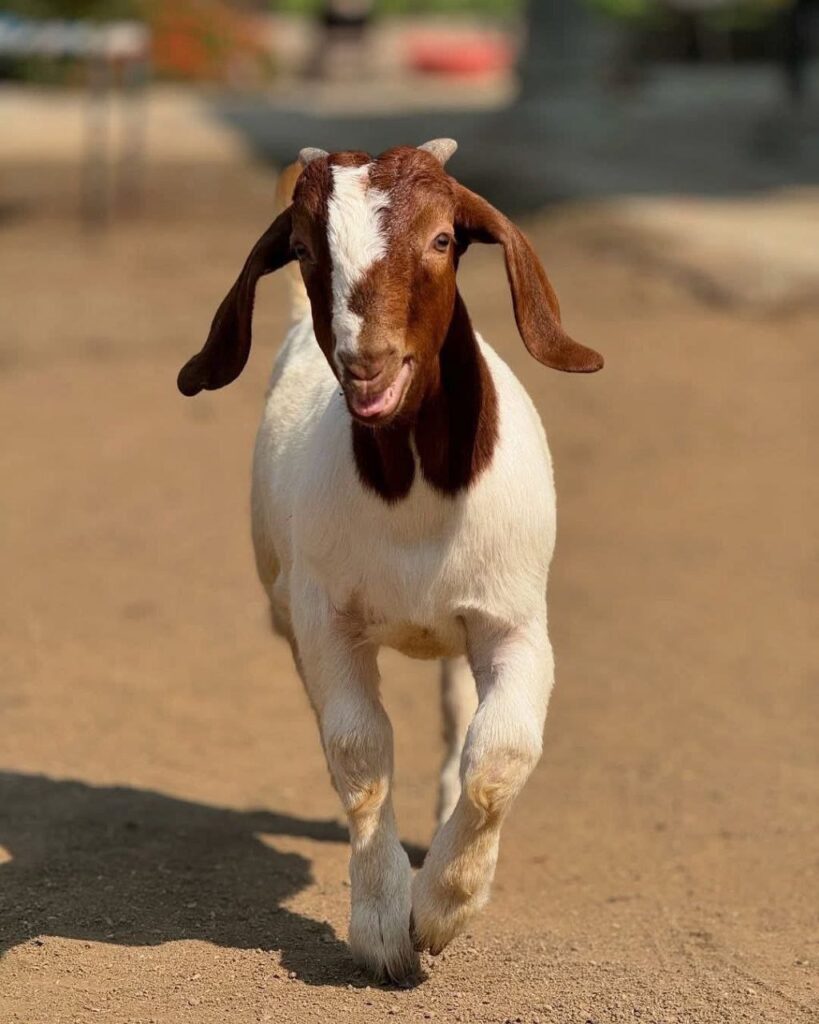

Successful goat farming starts with one key decision: selecting the right breeding stock. The quality of your bucks and does determines the health, growth rate, milk yield, and overall profitability of your herd.
Many farmers make the mistake of breeding any goats available, but smart farmers know that careful selection of breeding bucks and does is the foundation of a productive farm. In this guide, we’ll explore how to choose the best goats for breeding and avoid costly mistakes.
Why Breeding Stock Matters
A herd is only as strong as its parents. A good buck (male goat) can influence the entire herd since one buck breeds with many does. Similarly, healthy and productive does (female goats) ensure strong kids, better milk production, and faster growth. Poor selection can lead to weak offspring, low fertility, and financial loss.
How to Select the Best Breeding Buck
When choosing a buck, pay attention to:
- Physical Appearance: A good buck should be strong, muscular, and well-developed with no deformities.
- Breed Characteristics: Select a buck from a high-performing breed suited for your purpose (meat, milk, or dual-purpose).
- Fertility Signs: Active, alert, and with well-developed testicles. Avoid bucks with reproductive defects.
- Growth Records: Choose bucks from fast-growing, disease-resistant bloodlines.
- Temperament: A manageable buck makes farm handling easier and safer.
How to Select the Best Breeding Does
For does, look out for:
- Health Condition: A good doe should be disease-free, with bright eyes, shiny coat, and strong legs.
- Fertility & Mothering Ability: Select does with a history (or from a lineage) of multiple births, strong maternal instincts, and high survival rates in kids.
- Udder Quality: A well-formed udder with strong teats is essential for milk production.
- Body Frame: Medium to large-sized body, well-balanced and able to carry multiple pregnancies.
- Age: Ideal breeding age is between 8 months – 5 years. Avoid very young or very old does.
Common Mistakes Farmers Make
- Using related bucks and does (inbreeding) which weakens offspring.
- Selecting goats based on size alone without checking fertility or lineage.
- Ignoring health records and vaccination history.
- Overusing one buck for too many seasons, reducing genetic strength.
Final Thoughts
Selecting the right breeding buck and does is not just about looks, it’s about genetics, fertility, health, and productivity. With the right foundation, you’ll build a strong herd that grows faster, produces more, and brings higher profits.