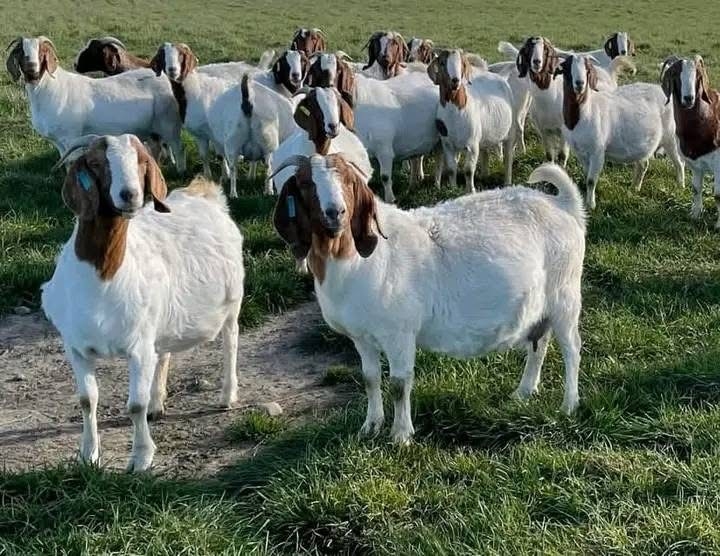
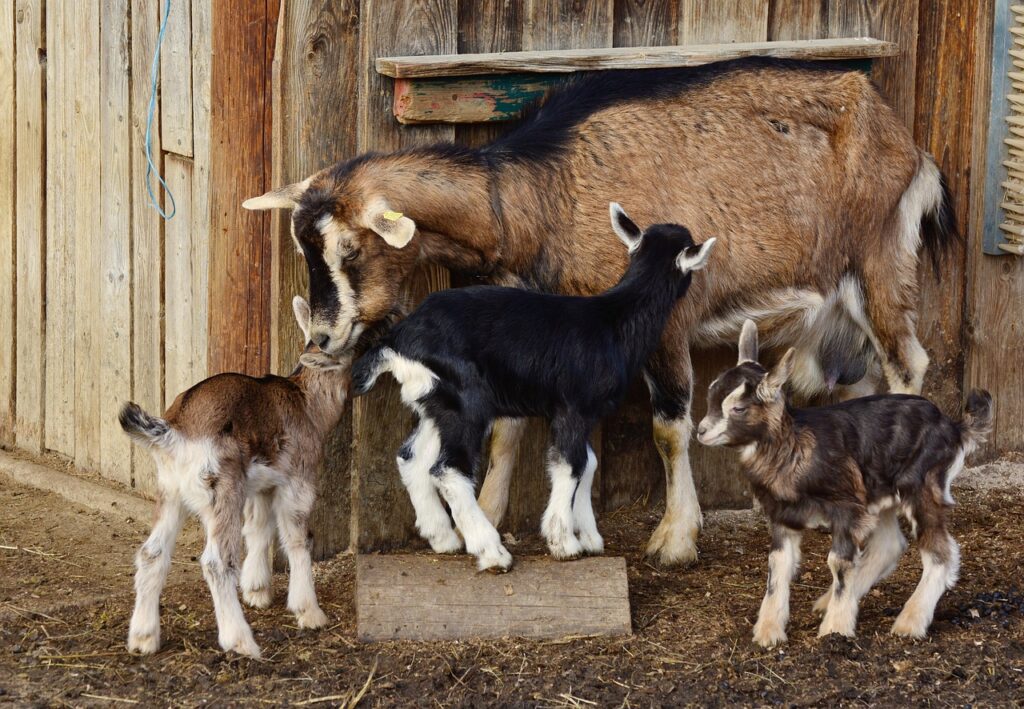
Raising healthy and productive goats requires understanding their breeding and gestation process. The goat gestation period is a crucial stage in livestock management, as it determines the future growth and productivity of your herd. Proper care, nutrition, and monitoring during this time ensure safe delivery and strong kids.
How Long Is the Goat Gestation Period?
The average gestation period for goats is 150 days (about five months). However, it can range between 145 to 155 days, depending on the breed, age, and health of the doe. Keeping accurate breeding records helps you predict when your goat will give birth and prepare adequately.
Early Signs of Pregnancy in Goats
Recognizing the signs of pregnancy early allows farmers to provide the right care. Some common indicators include:
- Refusal to return to heat after mating
- Increased appetite and water intake
- Gradual abdominal enlargement
- Changes in udder size and firmness
- Calmer behavior and reduced restlessness
It’s advisable to confirm pregnancy through ultrasound or a vet examination for accuracy.
Caring for a Pregnant Goat
A pregnant doe requires special attention to remain healthy and deliver safely. Here’s how to care for her during gestation:
- Provide clean housing: Keep her pen dry, well-ventilated, and free from overcrowding.
- Reduce stress: Avoid unnecessary movement, rough handling, or loud noise.
- Regular deworming and vaccination: Consult a vet for safe medications suitable for pregnant goats.
- Monitor body condition: Maintain a healthy weight to avoid complications like kidding difficulties.
Nutrition During Gestation
Nutrition plays a key role in the health of both the mother and the unborn kids. Feed should be balanced with energy, protein, vitamins, and minerals.
- Roughages: Quality hay, legumes, and forages
- Concentrates: Maize bran, wheat offal, or formulated goat feed
- Mineral supplements: Salt licks and calcium sources for strong bones and milk production
- Clean water: Fresh water should always be available
As kidding approaches, reduce high-fiber feed slightly and increase energy-rich diets to prepare for delivery.
Preparing for Kidding
As the due date nears, watch for signs like:
- Restlessness and isolation from other goats
- Swollen vulva and udder
- Loss of appetite
- Mucus discharge from the vulva
Prepare a clean kidding area, sterilize equipment, and keep the vet’s number handy in case of complications.
Conclusion
Understanding the goat gestation period helps farmers plan, feed, and manage their goats effectively. Proper care, nutrition, and monitoring not only ensure a safe delivery but also set the foundation for a thriving herd.