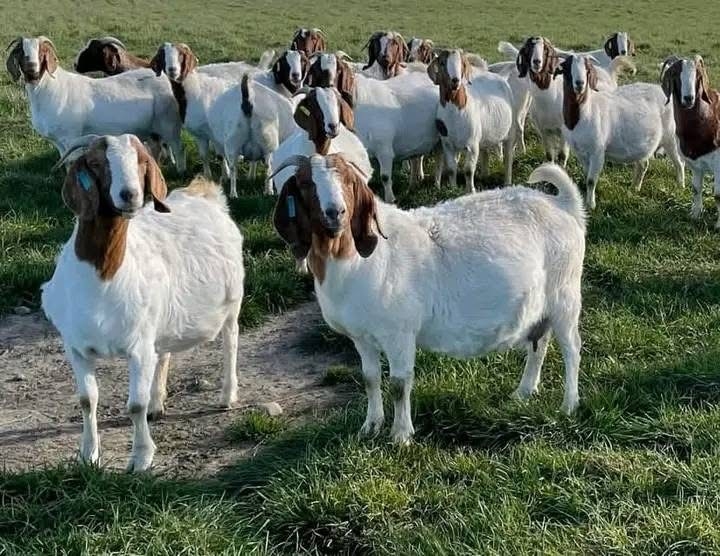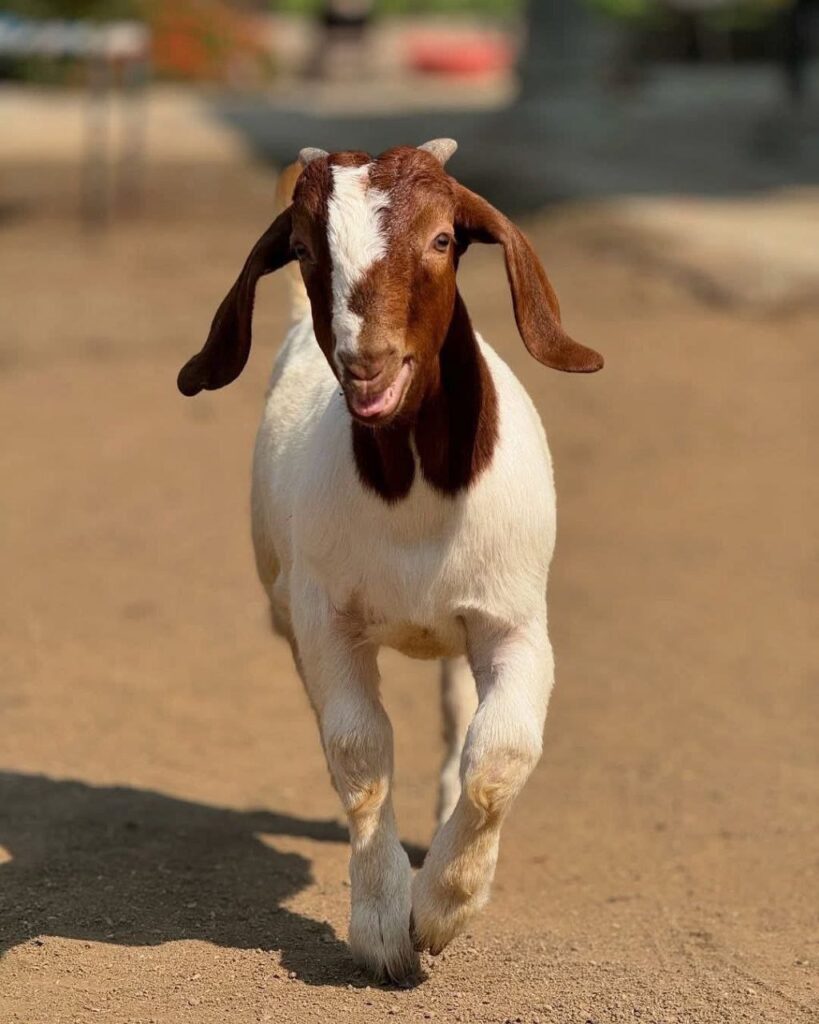

The success of your farm depends on how well you manage your goats in different seasons. The dry season and the rainy season present unique challenges and opportunities for farmers. Proper management during these periods helps improve goat health, productivity, and profitability.
In this article, we will break down the key differences between dry and rainy season goat management, and practical tips you can apply on your farm.
1. Feeding and Nutrition
Dry Season
- Scarcity of natural pasture: Grass and green fodder are usually limited.
- Solution: Farmers should make use of crop residues (maize stover, groundnut haulms, cassava peels) and store hay or silage during the rainy season for use in the dry period. Supplementing with concentrates such as maize bran and protein-rich feed helps goats maintain weight and growth.
Rainy Season
- Abundance of pasture: Green grass, weeds, and browse are plentiful.
- Solution: Allow controlled grazing to avoid overfeeding on lush pasture, which can cause bloating or diarrhea. Provide mineral lick blocks to balance nutrition.
2. Water Management
Dry Season
- Water sources may dry up.
- Provide clean drinking water regularly, at least twice a day.
- Using water storage facilities like tanks is recommended.
Rainy Season
- Water is usually abundant.
- Ensure drinking water is clean and not contaminated by runoff to prevent diseases.
3. Housing and Shelter
Dry Season
- Heat stress can affect goats.
- Provide shade, proper ventilation, and cool resting areas.
Rainy Season
- Pens must be raised and well-drained to prevent flooding.
- Use dry bedding (such as wood shavings or straw) to reduce moisture and prevent foot rot.
4. Health Management
Dry Season
- Goats may lose body condition if feed is not adequate.
- Deworming should be done before the dry season to prevent worm load.
Rainy Season
- Parasites and diseases like pneumonia, coccidiosis, and foot rot are more common.
- Regular deworming, vaccination, and proper sanitation are critical.
5. Breeding and Reproduction
- Goats often show better reproductive performance during the rainy season due to good nutrition.
- Farmers can plan breeding to ensure kids are born during periods of feed abundance.
Conclusion
Managing goats effectively in both the dry and rainy seasons is the key to running a profitable goat farming business in Nigeria and Africa. While the dry season demands feed storage and water management, the rainy season requires disease prevention and proper housing. Farmers who plan ahead and adapt to seasonal changes will always get better results.