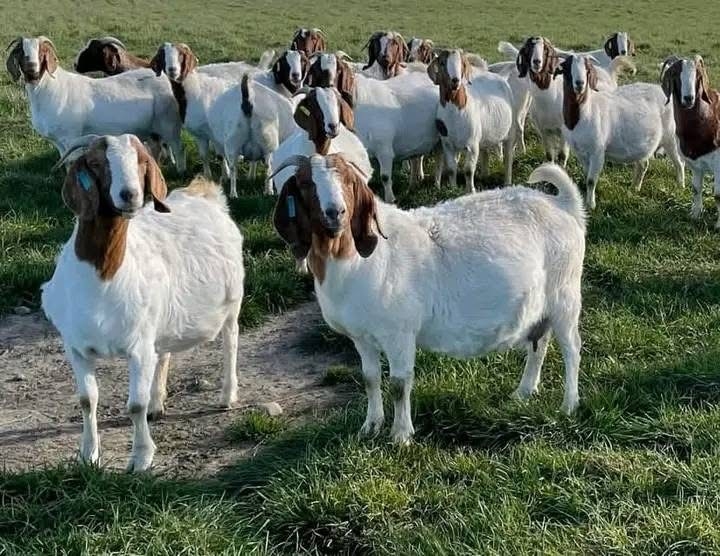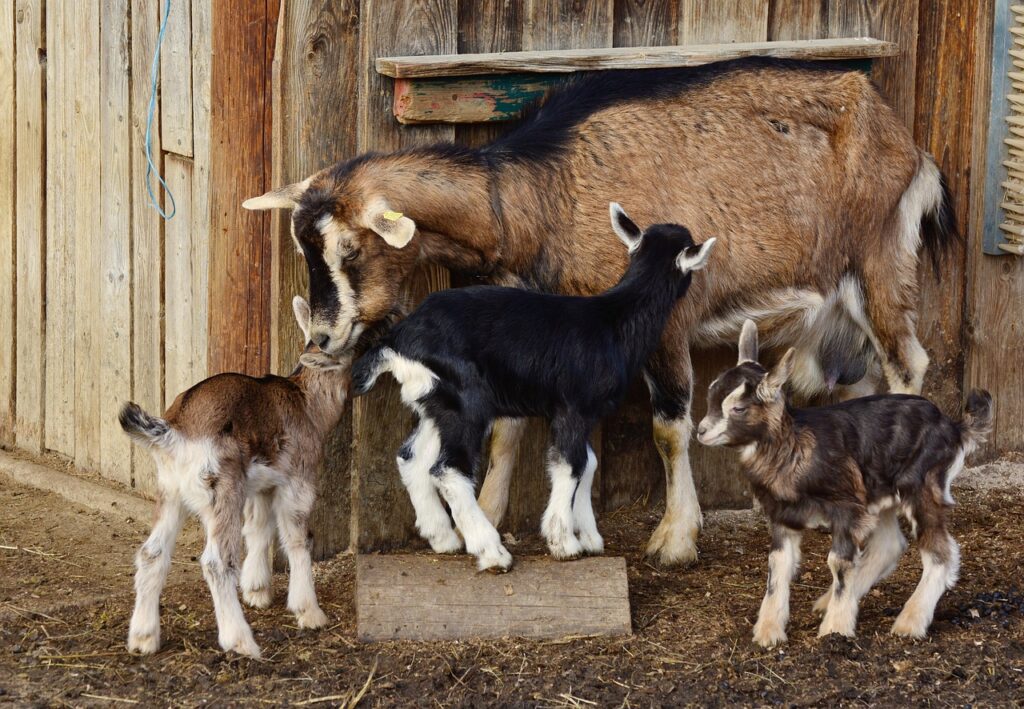

Raising healthy kids (baby goats) is one of the most rewarding parts of goat farming. Whether you’re managing a small homestead or a large commercial herd, the first few weeks of a kid’s life are crucial. Proper care and management ensure strong growth, disease resistance, and high productivity in adulthood.
In this article, we’ll explore the best kid management practices from birth to weaning to help you build a thriving and profitable goat farm.
1. Ensure a Safe and Clean Kidding Environment
Before kidding (delivery), make sure the pen is clean, dry, and well-ventilated. Disinfect the area and provide fresh bedding like straw or wood shavings.
A hygienic environment reduces the risk of infections and ensures that both the mother (doe) and her kids stay healthy after birth.
Tip:
Keep all kidding supplies ready clean towels, iodine for the navel, gloves, and a lamp for warmth.
2. Assist During Birth When Necessary
Most goats deliver without human assistance, but it’s important to monitor the process.
If the doe strains for too long or a kid seems stuck, gentle help might be required. Always use clean hands and consult a vet if complications arise.
After delivery:
• Clear mucus from the kid’s nose and mouth.
• Ensure the doe licks the kid dry this builds bonding and stimulates circulation.
• Dip the umbilical cord in iodine to prevent infection.
3. Ensure Colostrum Intake
Colostrum the first milk is the most vital feed for a newborn kid. It contains antibodies that protect the baby goat from diseases.
Kids should receive colostrum within the first 1–2 hours after birth, and at least 10% of their body weight within the first 24 hours.
If the mother’s milk is unavailable, use stored colostrum from another healthy doe or a commercial colostrum replacer.
4. Provide Warmth and Shelter
Baby goats are sensitive to cold, especially during the first few days.
Keep the pen temperature around 30–32°C (86–90°F). Use heat lamps or blankets if necessary, especially in colder climates.
Avoid drafts, as they can cause pneumonia a common killer in young kids.
5. Proper Feeding and Nutrition
After the first few days of colostrum, introduce regular milk feedings.
You can allow the kids to nurse naturally or use bottle-feeding for better monitoring.
Feeding guidelines:
• Feed milk 3–4 times daily for the first 2 weeks.
• Gradually reduce to 2 times daily by the 4th week.
• Introduce creep feed (a special feed for kids) at 2–3 weeks to encourage rumen development.
• Provide clean water and salt licks at all times.
6. Health Care and Vaccination
A strong health routine prevents diseases and ensures better survival rates.
Basic health management tips:
• Disinfect the navel cord.
• Deworm at 4–6 weeks old.
• Vaccinate against Enterotoxemia (Clostridium perfringens types C & D) and Tetanus.
• Observe daily for signs of diarrhea, coughing, or weakness.
Tip: Always consult a veterinarian for a vaccination and deworming schedule that fits your region.
7. Disbudding and Castration (Optional)
Disbudding removing horn buds is done at 7–10 days old to prevent horn injuries.
Castration (for male kids not meant for breeding) can be done at 2–3 weeks using a rubber ring or burdizzo. Ensure all procedures are done hygienically and by trained personnel.
8. Proper Weaning
Weaning should occur gradually at 8–12 weeks of age when the kid is eating solid feed comfortably.
Sudden weaning can stress the kid and reduce growth rate.
Before weaning:
• Ensure the kid doubles its birth weight.
• Provide a balanced feed rich in protein, vitamins, and minerals.
9. Maintain Clean and Comfortable Housing
Kids need enough space to move freely and develop strong bones. Overcrowding can lead to disease outbreaks and stunted growth.
Keep housing clean, dry, and well-ventilated. Replace bedding regularly and disinfect pens at least once a month.
10. Record Keeping and Monitoring
Track each kid’s birth date, parentage, weight, and health history.
Record-keeping helps identify strong bloodlines and monitor growth progress.
Digital farm tools or simple notebooks can help you manage records effectively especially as your herd grows.
Conclusion
Proper kid management is the foundation of a successful goat farming business.
By focusing on clean housing, good nutrition, health care, and close monitoring, you can drastically reduce mortality rates and build a healthy, productive herd.
Raising goats is not just about numbers, it’s about nurturing life from the very first day.